Sculptures and sculptural art held a significant role in all aspects of Chinese historical life, and the representation of religious deities was a critical component of Chinese religious culture. Walk amidst statues that span over 1,500 years of Chinese history. Powerful and serene, the individuality of each is a testament to the expertise and creativity of the artist. Stone, bronze, marble, ceramic and wood – all mediums are represented – providing a striking narrative of the stylistic development of Chinese sculpture through the ages.
标签: Toronto
A Third Gender: Beautiful Youths in Japanese Prints
Royal Ontario Museum, Toronto
May 7, 2016 to November 27, 2016
Four hundred years ago in Japan, male youths, called wakashu, were the objects of sexual desire for women and men. Creating a third gender, wakashu looked different from both women and adult men and played distinct social and sexual roles.
The exhibition, A Third Gender, explores the complex system of sexual desire and social expectation from 1603 to 1868 in Edo Japan. Featuring stunning woodblock prints, paintings, illustrated books, kimono, and armour, it tells a pivotal story in the history of human sexuality. Unsettling contemporary North American values, A Third Gender invites you to think differently about gender and sexuality.
继续阅读A Third Gender: Beautiful Youths in Japanese Prints
Royal Ontario Museum: Gallery of Chinese Architecture
Royal Ontario Museum has the largest collection of Chinese architectural artifacts outside of China.
China’s iconic architectural style is as old as the civilization itself. Throughout, connections and oppositions between Yang-houses (architecture for the living) and Yin-houses (architecture for the dead) intertwine through the Chinese concept of geomancy, or fengshui. Imperial buildings were distinct from those for common living; each planned, built and adorned in different ways to satisfy requirements for form, function and ritual.
China’s legacy of building and architecture is told through the largest and best collection of Chinese architectural artifacts outside of China. The mighty Ming Tomb, the Tombs of Han and Tang, and the reconstruction of a corner of a Chinese Imperial Palace building are focal points of a collection that includes architectural features, embellishments, statuary and more.
继续阅读Royal Ontario Museum: Gallery of Chinese Architecture
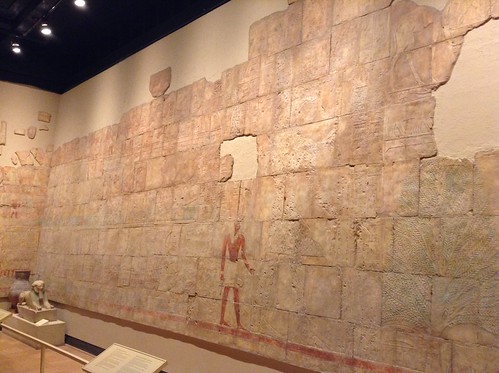
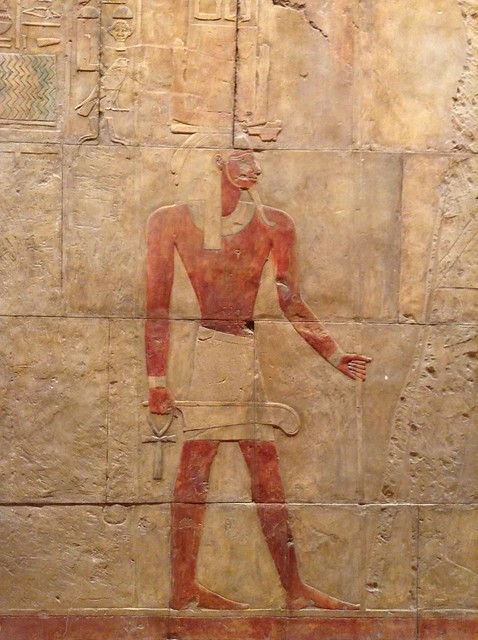
Royal Ontario Museum Galleries of Africa: Egypt
The legacy of the Ancient Egyptian culture has left its mark through the centuries. From religion to architecture to fashion, its influence is epic and our fascination with this ancient civilization, so exotic and mysterious, remains strong even today.
Follow the history of Ancient Egypt over nearly 5,000 years with an impressive collection of objects depicting all aspects of spiritual and daily life. Examine the region’s contributions to both eastern and western civilizations through culture and technology. From prehistoric Egypt to the time of Ptolemaic rule, the gallery showcases rare and exceptional objects from the ROM‘s Egyptian collection – the most important Egyptian collection in Canada.
Royal Ontario Museum, Toronto
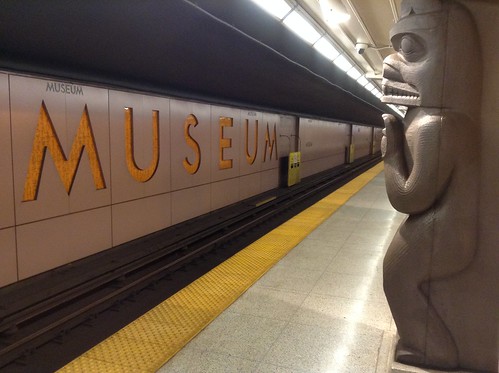
Established on 16 April 1912 and opened on 19 March 1914, The Royal Ontario Museum (ROM, French: Musée royal de l’Ontario) is a museum of art, world culture and natural history in Toronto, Canada. It is one of the largest museums in North America, the largest in Canada, and attracts over one million visitors every year, the second most for a Canadian art museum after the Montreal Museum of Fine Arts. The museum is north of Queen’s Park, in the University of Toronto district, with its main entrance on Bloor Street West. The Museum subway station is named after the ROM, and since 2008, it is decorated to resemble the institution’s collection. St. George station is also close to the museum’s new entrance as well.
Admission:$17